
 EN
EN



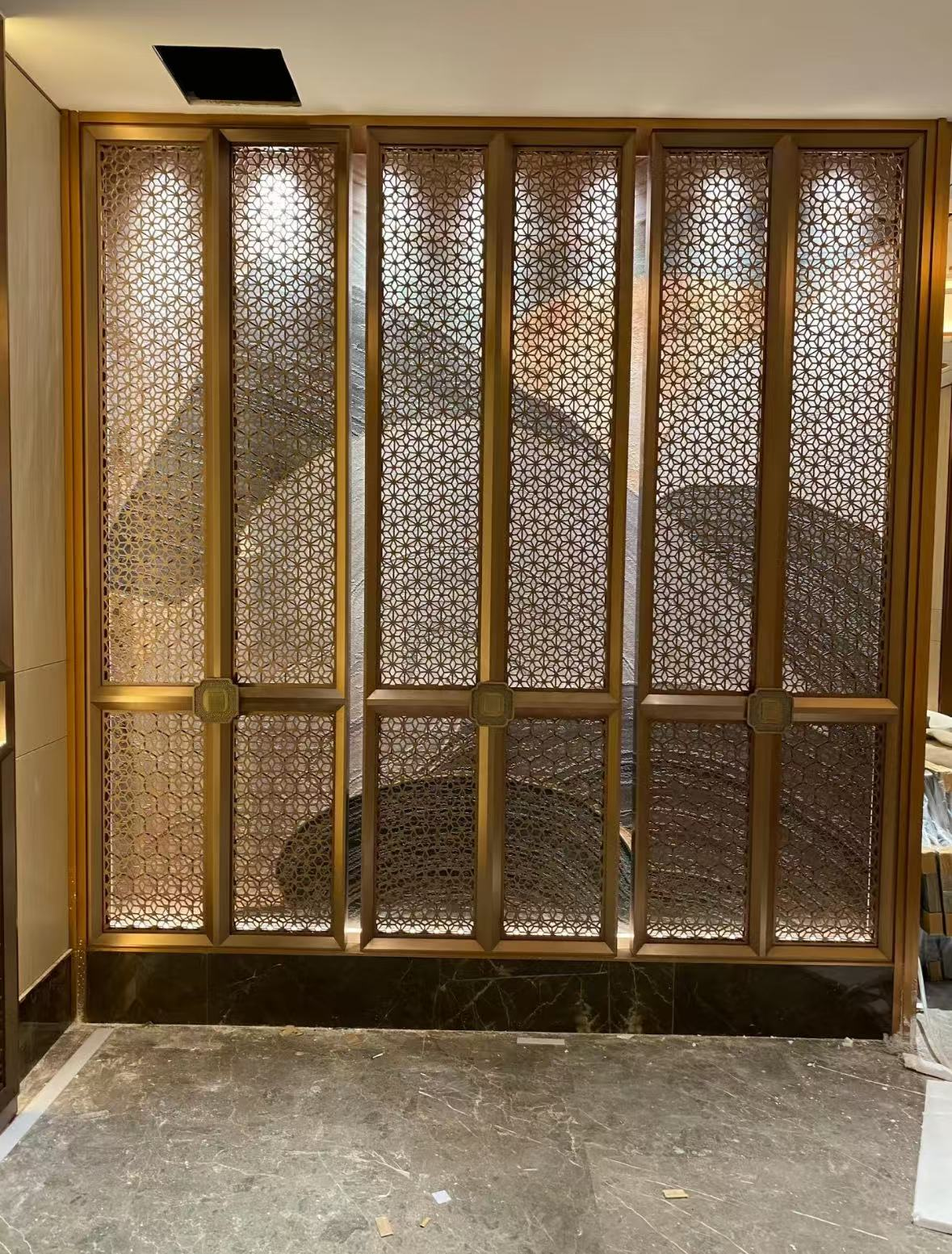
Clarify Core Functions: Align with Practical Requirements
Picking the right stainless-steel partition can boost looks and everyday use in almost any room. Because stainless steel is tough, easy to clean, and resistant to rust, these panels work well in shops, factories, and even homes. Below, we break down the main points to think about when you choose a steel divider, from design and size to finish and how it is put up.
Start by asking exactly what you need the partition to do. Are you trying to give guests privacy in a restroom, split desks in an open office, or simply add shine to a restaurant? The answer will guide the style you pick. For example, bathroom stalls usually follow codes about height and wheelchair access—some regions mandate partitions that reach at least 6 feet in height to ensure privacy, while leaving a 1-inch gap at the bottom for ventilation. In contrast, office screens may need extra sound-absorbing panels layered behind the steel to muffle chatter, paired with a sharper, fingerprint-resistant finish to maintain a professional look. Retail spaces, meanwhile, often opt for partial-height partitions that divide product zones without blocking sightlines to the checkout counter.
Precision in Sizing: Measuring Beyond Dimensions
Size is the next big factor, and, yes, accurate measurements are a must. Grab a tape and record the height and width of the spot where the panel will stand, then cross-check those numbers with the supplier's guide. Steel partitions come in common off-the-shelf sizes, yet many makers also cut custom pieces for odd angles or low ceilings. The room's flow—along door paths, desks, and service lines—will affect how the panel sits and how well it does its job. For instance, in a narrow hallway, a partition that juts even 6 inches too far can disrupt foot traffic, while in a warehouse with high ceilings, a partition that’s too short may fail to block dust between workstations. It’s also wise to account for floor unevenness; shims or adjustable feet can prevent wobbling, ensuring stability in spaces with sloped or cracked surfaces.
Finish and Aesthetics: Balancing Style and Function
The look of your stainless-steel paneling matters more than you might think. You can pick a brushed finish that offers a casual, almost industrial vibe, or a polished one that shines like a mirror and dresses up the room. Whichever you choose, make sure it matches the rest of your design so the space feels settled and not mismatched. For high-traffic areas like shopping malls, a brushed finish is ideal—it hides fingerprints and minor scratches better than polished steel. In luxury settings such as hotel lobbies, a mirrored finish can amplify light and create an illusion of spaciousness, especially when paired with glass accents. Matte black stainless steel, a newer trend, adds a sleek contrast in modern offices or cafes, blending with neutral color palettes while resisting smudges more effectively than traditional silver tones.
Installation and Maintenance: Long-Term Practicality
How you put the panels up is just as important as how they look. Some systems slide right into place with only basic tools; others have connectors and brackets that really need a pro. Before you order, be honest with yourself about what your team can handle. Freestanding partitions work well for renters or spaces needing temporary dividers, as they require no drilling, while permanent installations with floor-to-ceiling anchors are better for high-security areas like bank teller stations. And don’t forget routine upkeep—stainless steel needs very little, but a light wipe with a microfiber cloth and mild detergent now and then keeps the surface fresh. For environments with heavy grease, such as commercial kitchens, a food-grade sealant can protect the finish from corrosion caused by oils and cleaning chemicals.
Embracing Innovation: Trends and Sustainable Options
Keeping an eye on new ideas in the industry can pay off, too. People are ordering more stainless partitions because they last and look great, and makers keep finding clever ways to make them easier to customize. That means you can give your area a one-of-a-kind touch that shows off your brand. On top of that, many companies are switching to greener materials and processes, so you can feel good about the planet as well as the design. For example, recycled stainless steel partitions now match the durability of virgin materials, appealing to eco-conscious businesses aiming for LEED certification. Additionally, modular designs allow for easy reconfiguration—ideal for offices that frequently rearrange teams or retail stores updating their layout seasonally. Smart partitions with built-in LED lighting or magnetic surfaces for notices are also gaining popularity, merging functionality with modern convenience.